Sports Streaming Industry Sees Shift Toward Stability and User Experience
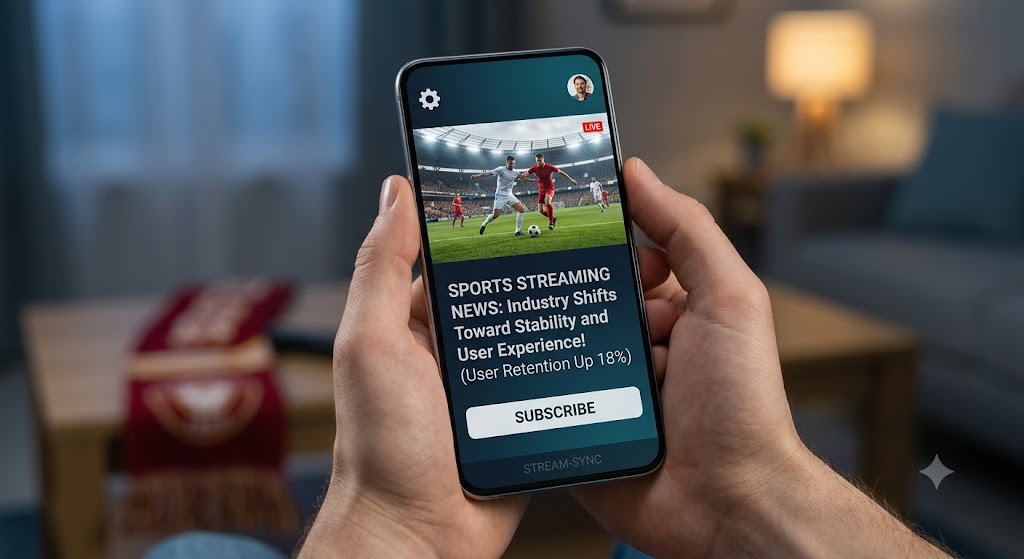
Changing Standards in Online Sports Media Engineering
The baseline requirements for premium digital sports broadcasting have drastically elevated over the past twelve months as platforms respond to an increasingly demanding consumer market. Sports fans are no longer merely looking for an accessible match link; they expect seamless, high-definition video fidelity paired with minimal latency across all viewing formats. This industry-wide evolution has forced digital media architects to shift their resources away from superficial branding elements and invest heavily in advanced Content Delivery Network (CDN) edge routing, adaptive dynamic bitrate streaming, and robust player design to avoid sudden drops in frame rate.
Navigation Directories Feel the Strain of High Viewership
The structural necessity for these backend system enhancements becomes incredibly glaring during high-concurrency windows when several major international athletic fixtures overlap. Audiences frequently encounter immense stability issues when trying to source live event links through high-volume aggregation indexes like Footybite without facing sudden page crashes or broken video player protocols. As web traffic continues to break digital records, index directories are actively filtering out low-performing media feeds, pushing their external partners to deliver consistent server uptime and clean, ad-light user interfaces that protect the end-user's viewing environment.
Delivering Quality in the High-Definition Era
The broader technological race for stable multi-platform distribution is ultimately rewriting the rulebook on how global sports content is organized and consumed. Top-tier software companies are establishing strict data infrastructure protocols, ensuring that media streams can load instantly even when millions of concurrent users are connecting to the exact same transmission hub. By implementing predictive caching algorithms and more resilient media players, alternative streaming spaces are effectively matching the sophisticated product layout of premium entertainment applications, raising the minimum standard for what sports fans consider an acceptable viewing experience.
Underdogs Shock the Brackets Amid Packed Summer Action
This notable transition toward dependable, live media infrastructure is being thoroughly tested by an absolute whirlwind of dramatic action unfolding across the global sports landscape this week. At the international football tournament, debutants Cape Verde pulled off one of the greatest defensive masterclasses in sporting history by holding heavy tournament favorites Spain to an unforgettable 0-0 draw, fueled by a legendary performance from veteran goalkeeper Vozinha. Meanwhile, a highly charged and fiercely competitive encounter at the Los Angeles Stadium saw Iran twice fight back from behind to claim a dramatic 2-2 draw against New Zealand, completely shaking up the early group-stage brackets.
The Blueprint for Next Generation Broadcasting
As multi-billion dollar athletic organizations and commercial media conglomerates look toward optimizing their native distribution systems for upcoming tournaments, the message from the streaming market remains clear. Entertainment executives are realizing that maintaining consumer attention requires building affordable, unified, and completely barrier-free online ecosystems that prioritize raw performance over restrictive paywall tiers. Until official broadcast applications can fully replicate the immediate navigational speed and international stability of independent aggregate platforms, alternative web directories will continue to dictate the developmental path of global sports consumption.







_thumb.jpg)